
Where does Hindi cinema stand today?
I have been a die-hard admirer of Hindi cinema ever since I first discovered the extraordinary power it holds — the power to inspire, to move, and to shape cultural conversations. Over the years, it has been nothing short of a privilege to immerse myself in the world of films, appreciating both the labour behind them and the emotions they evoke. From revisiting timeless ‘old is gold’ classics to discovering films released fifteen years ago, I have repeatedly found myself falling in love with the art of storytelling.
There was once an era when real cinema reigned supreme, when stories came first and profits followed naturally. Today, however, with shifting cultural landscapes and the rise of aggressive commercialisation, cinema seems to have lost much of its original essence. Out of a hundred commercial releases, perhaps only one leaves a genuine impact.
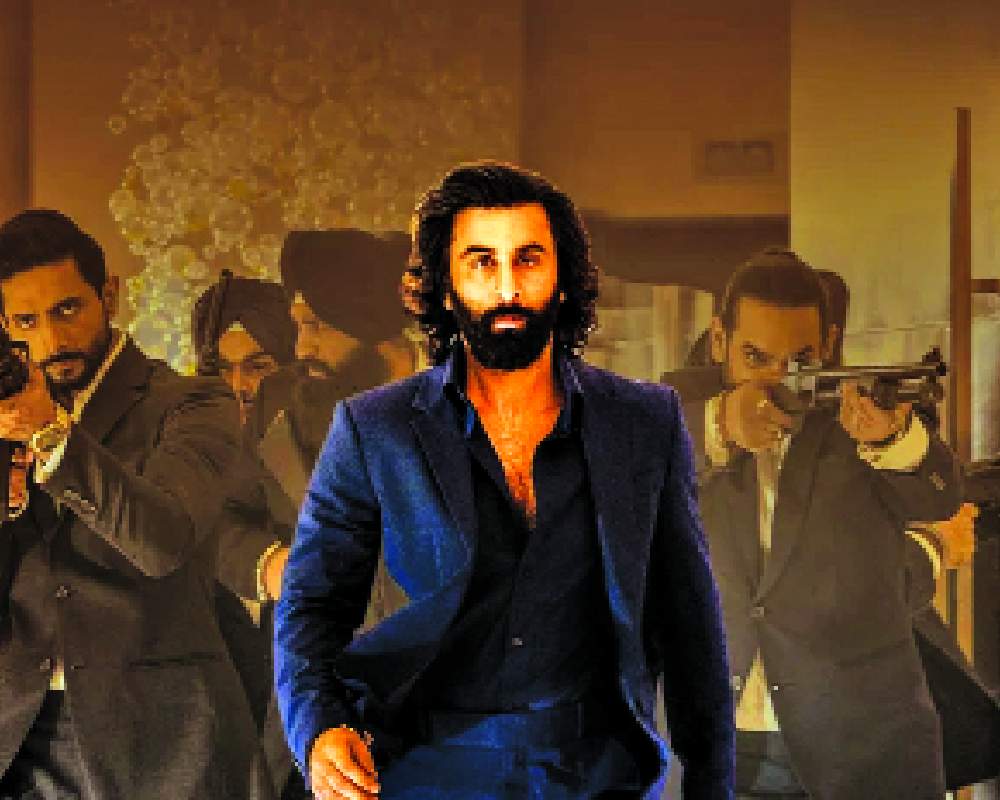
Take, for instance, the much-hyped Saiyaara. A commercial success by the tireless efforts of public relations machinery, the film may have fared well at the box office, but audience conversations tell another story altogether. While its songs struck a chord, the narrative fell flat, leaving many disappointed. A similar one with Ranbir Kapoor’s Animal — a film that dominated headlines, not merely for its content but for the debates it stirred around gender dynamics, representation, and its association with powerful star names. These factors may have guaranteed profits, but they did not necessarily guarantee the essence of cinema. In contrast, South Indian cinema seems to hold on to authenticity with far greater conviction. Films like Baahubali, RRR, KGF and most recently, Pushpa proved that when the foundation is a strong script backed by solid performances, the audience response is electric. These films did not just succeed; they became cultural phenomena, resonating across India and far beyond. The sheer box-office margins between these South Indian blockbusters and many Bollywood releases highlight the divide — where Hindi films often chase spectacle with little substance, the South has consistently shown that storytelling rooted in emotion with commercial returns.
True cinema, in my view, does not require manufactured hype. It speaks for itself through its story, its sincerity, and its ability to forge a deep connection with its audience. It lives not in headlines but in hearts. Recently, T-Series announced: “For those who believe in the power of real cinema… this one’s for you! #TSeries Production No. ‘T174’ arrives on 20th February 2026.” The declaration has reignited hopes among cinephiles — could this be a return to meaningful cinema, or is it yet another commercial game disguised in lofty promises? As admirers of the silver screen, we are left with an enduring question: Will the industry embrace authenticity once more, or will hype continue to overshadow heart?


