
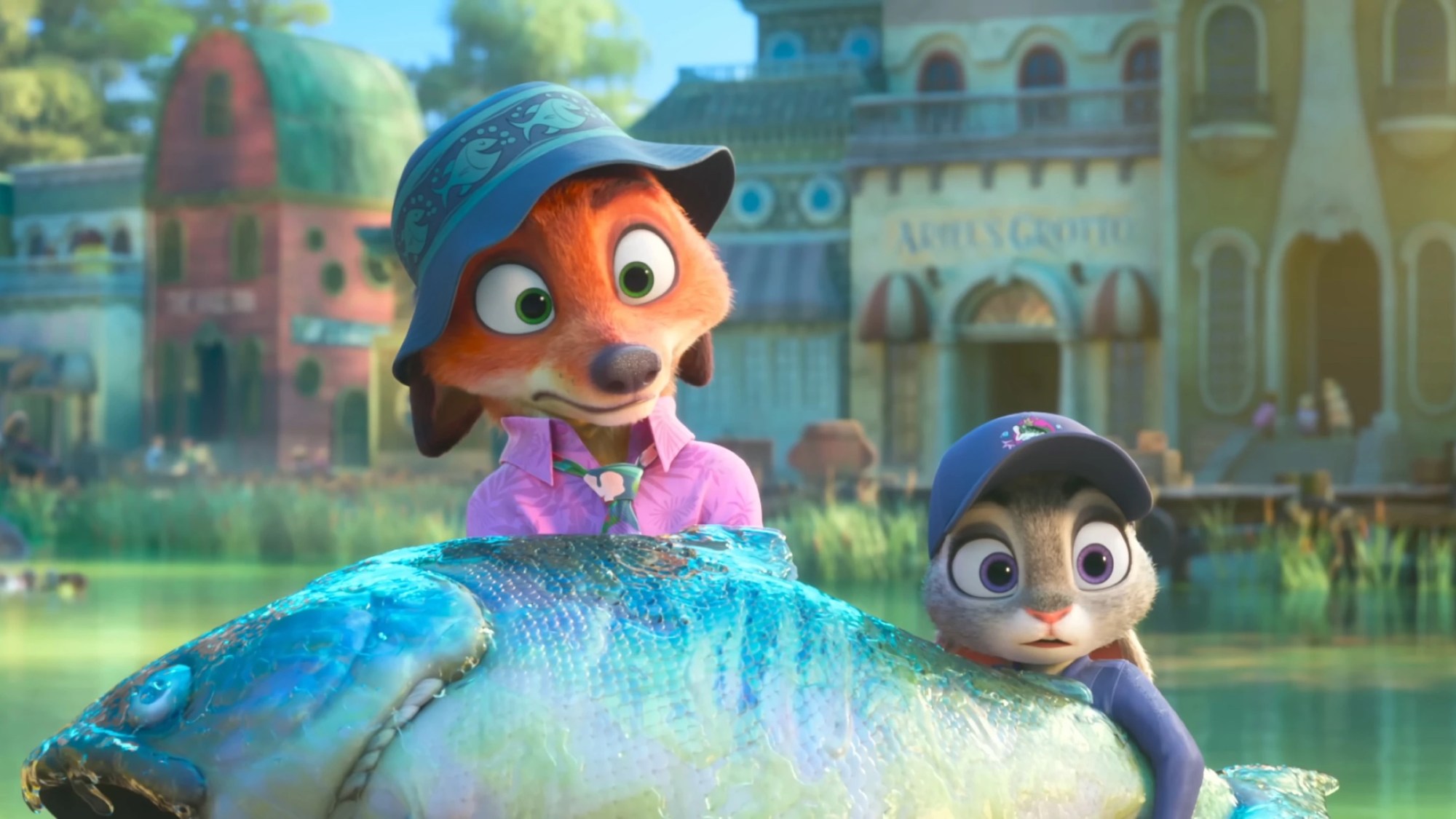
5 Reasons Zootopia 2’s Reviews Are So Great (& How They Compare to the First Movie)
When Zootopia hit theaters in 2016, it was a lightning-in-a-bottle moment for Walt Disney Animation Studios. The film crossed the rare billion-dollar mark at the global box office while earning a staggering 98% approval rating on Rotten Tomatoes, with critics praising its ability to blend a classic buddy-cop mystery with sharp social commentary. That level of acclaim set an intimidatingly high bar for any follow-up. However, Zootopia 2 has arrived with a “Fresh” rating of 94% on Rotten Tomatoes, a score that proves the franchise has not lost its touch, even if it sits just shy of its predecessor’s near-perfection.
Warning: Spoilers below for Zootopia 2
In our own review here at ComicBook, we praised Zootopia 2 for its ambitious scope and its refusal to retread old ground. We specifically highlighted the film’s courage to tackle historical injustices and its expansion into the more complex corners of the city’s lore. We aren’t the only ones charmed by this return to the mammal metropolis. By analyzing the most common points of praise from top critics, we can see exactly how this new chapter stacks up against the original classic.
5) The World-Building Is Bigger and Better
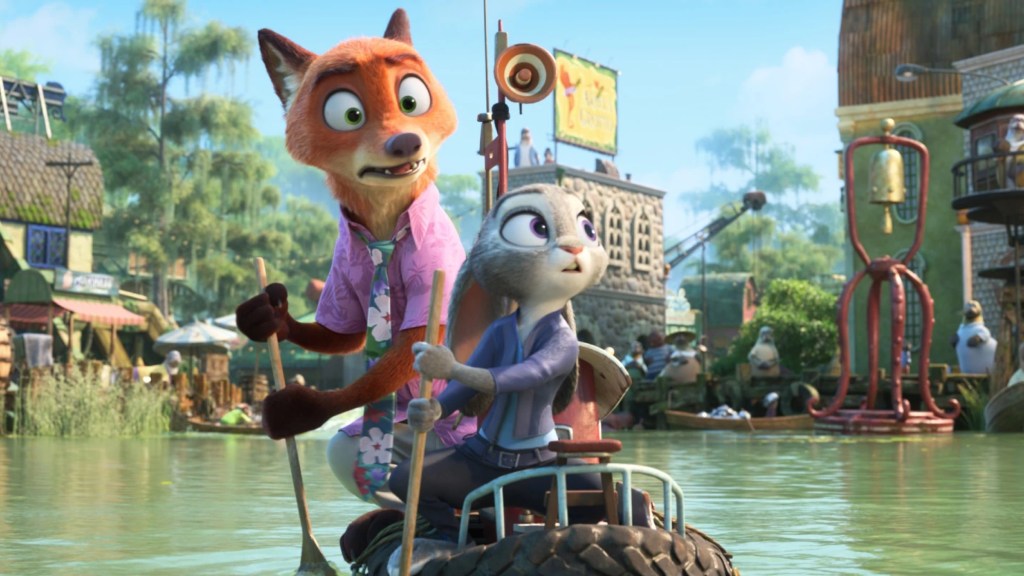
The first Zootopia introduced audiences to a city designed for animals of all sizes, but Zootopia 2 takes that concept and runs with it. Critics are universally praising the visual expansion of the universe, noting that the animation technology has made a significant leap forward in the last decade. The sequel introduces entirely new districts and biomes that were previously unseen, such as the swampy Marsh Market and vertical Alpine environments. These new locations allow for intricate chase sequences and background details that make the city feel like a true metropolis. Variety notes that the film is “packed with detail” and that the crowd scenes are so rich that it will “take repeat viewings to spot even half the jokes,” suggesting a level of density that rewards the most eagle-eyed fans.
Beyond just looking good, these new environments serve the story and the kinetics of the film. The intricate design of the city is central to the plot, particularly regarding how different species navigate the infrastructure. RogerEbert.com describes the film as “visually dazzling,” specifically highlighting a sequence where characters travel by a water-filled tube system that spans miles. The consensus is that directors Byron Howard and Jared Bush have utilized the nine-year gap to create a world that feels more immersive and tactile.
4) The Comedy Is Sharp and Sophisticated

Zootopia 2 is being hailed as a legitimately funny film that respects the intelligence of its audience, avoiding the trap of dumbing down its humor for the youngest demographic. Reviewers highlight that the script is packed with rapid-fire gags, visual puns, and pop culture references that land with precision. The Hollywood Reporter praises the “sophisticated humor” and mentions specific highlights, such as a chase scene that pays homage to The Shining and a hilarious sequence involving a walrus boat. The film balances broad physical comedy for kids with clever Easter eggs for adults, such as a “partners in crisis” therapy session led by Dr. Fuzby (voiced by Quinta Brunson), a quokka who forces the protagonists to confront their communication issues.
The world itself provides endless fodder for jokes that feel organic rather than forced. RogerEbert.com mentions the “hilarious animal-word puns” and “sly references to cultural touchstones,” including a show called “Only Herders in the Building” found on the in-universe streaming platform HuluZoo. The satire extends to the new Mayor, a horse named Brian Winddancer (voiced by Patrick Warburton), who is a vain, Fabio-esque former actor. These character details add layers of humor that keep the pacing brisk.
3) Nick and Judy’s Dynamic Has Evolved
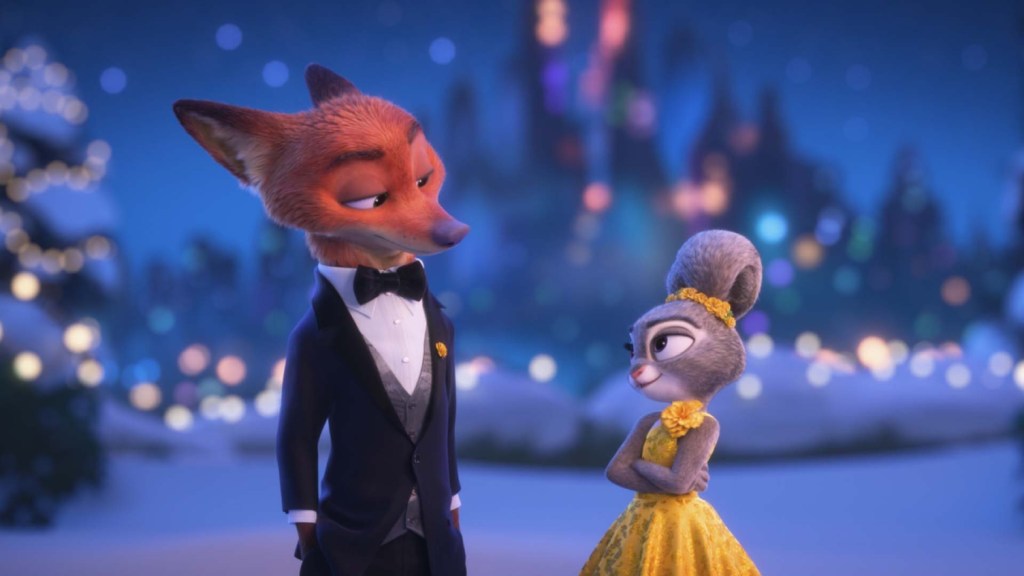
The heart of the franchise remains the undeniable chemistry between Judy Hopps (voiced by Ginnifer Goodwin) and Nick Wilde (voiced by Jason Bateman). Critics are relieved to report that the sequel does not reset their character development but instead explores the realistic growing pains of their professional partnership. The film places them in a new context where they must learn to communicate effectively rather than just survive a crisis. Variety describes their dynamic as a “rich recipe for constant screwball disputes,” comparing their bickering to that of newlyweds adjusting to each other’s quirks. This evolution keeps their interactions fresh and avoids retreading the exact same emotional ground as the first movie.
The “will they, won’t they” tension is also a major topic of discussion in the reviews. The Independent notes that the creative team seems fully aware of the fans’ desire to see them together, turning their inability to examine their feelings into a running joke. ScreenRant emphasizes that their story sees the pair “learning to compromise and communicate in order to strengthen their bond.” This character-driven approach ensures that even amidst the conspiracies and new threats, the audience remains invested in the two protagonists.
2) Zootopia 2 Fixes the First Movie’s Allegorical Flaws

One of the few retrospective criticisms of the first movie was that its predator-versus-prey allegory for racism became muddled under scrutiny. Zootopia 2 appears to have learned from this, delivering a narrative that critics find more thoughtful and historically grounded. The sequel moves beyond simple interpersonal bias to explore systemic issues like gentrification, displacement, and the erasure of history. The Independent notes that the film “reframes the original’s metaphor for racism in a sounder, more thought-out way.” By introducing reptiles as a marginalized group that was pushed out of the city’s history books by wealthy landowners like the Lynx family (voiced by David Strathairn and others), the movie draws powerful parallels to real-world events.
Even reviews that were less enthusiastic about the film’s visual style, such as the one from The A.V. Club, singled out this specific subplot for praise. The review points out that the film evokes the history of erased communities like Seneca Village and the Greenwood District, giving the story “both potency and, more importantly, specificity.” This thematic depth elevates the movie above a standard buddy-cop comedy, allowing parents and adults to engage with the material on a deeper level while still providing an accessible adventure for children.
1) Ke Huy Quan Steals the Show as Gary De’Snake

While the returning cast members are excellent, the breakout star of Zootopia 2 is Gary De’Snake. Voiced by Academy Award winner Ke Huy Quan, this blue pit viper is the franchise’s first major reptile character, and he has charmed critics across the board. In a world previously defined by the conflict between mammals, the introduction of a reptile shakes up the social dynamics of the city. Quan brings a unique energy to the role, delivering a performance that reviewers describe as soulful and endearing. The Hollywood Reporter calls his vocal turn “terrific” and notes that the character turns out to be far more complex than the villain he initially appears to be.
Gary serves as the emotional anchor for much of the new story and is the primary vehicle for the film’s themes of acceptance. His presence challenges the biases of the main characters and allows the film to explore new avenues of its prejudice allegory. ScreenRant highlights Gary as a “delightful addition” whose journey proves “unexpectedly sweet.” By casting an actor known for his earnestness and warmth, Disney successfully makes a venomous snake into a sympathetic figure.
Zootopia 2 is currently available in theaters.
Which new animal addition to the world of Zootopia are you most excited to see on the big screen? Leave a comment below and join the conversation now in the ComicBook Forum!


