
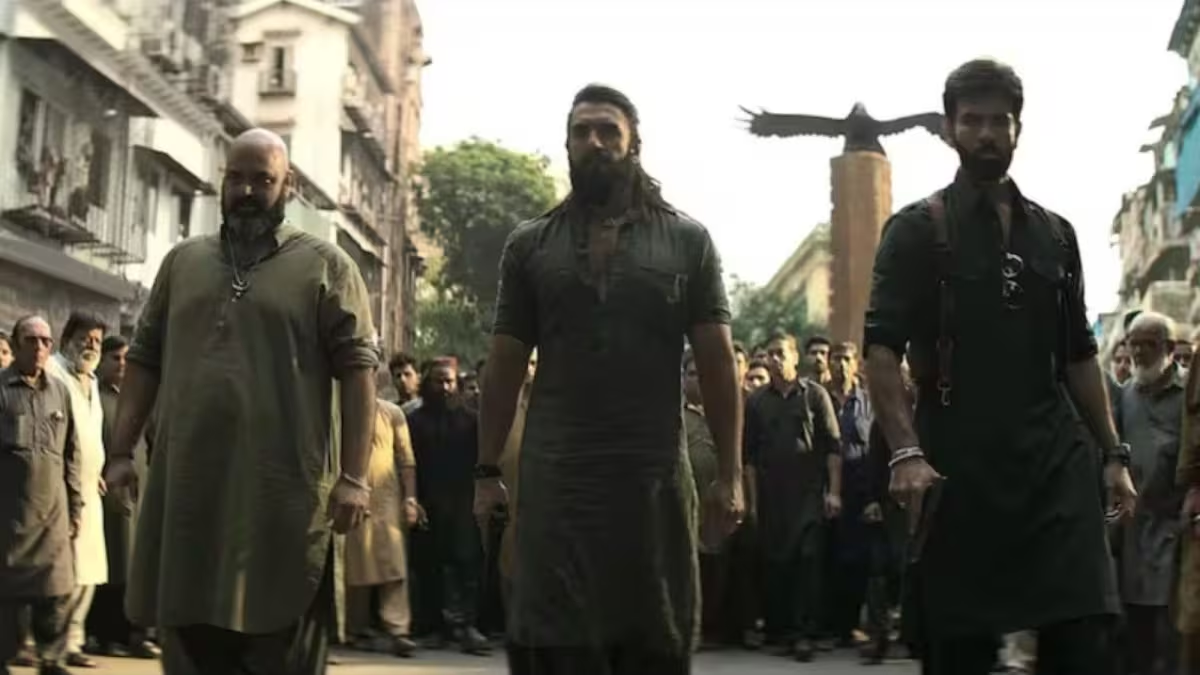
Bollywood Wouldn’t Be The Same Without Balochistan, Here’s Why
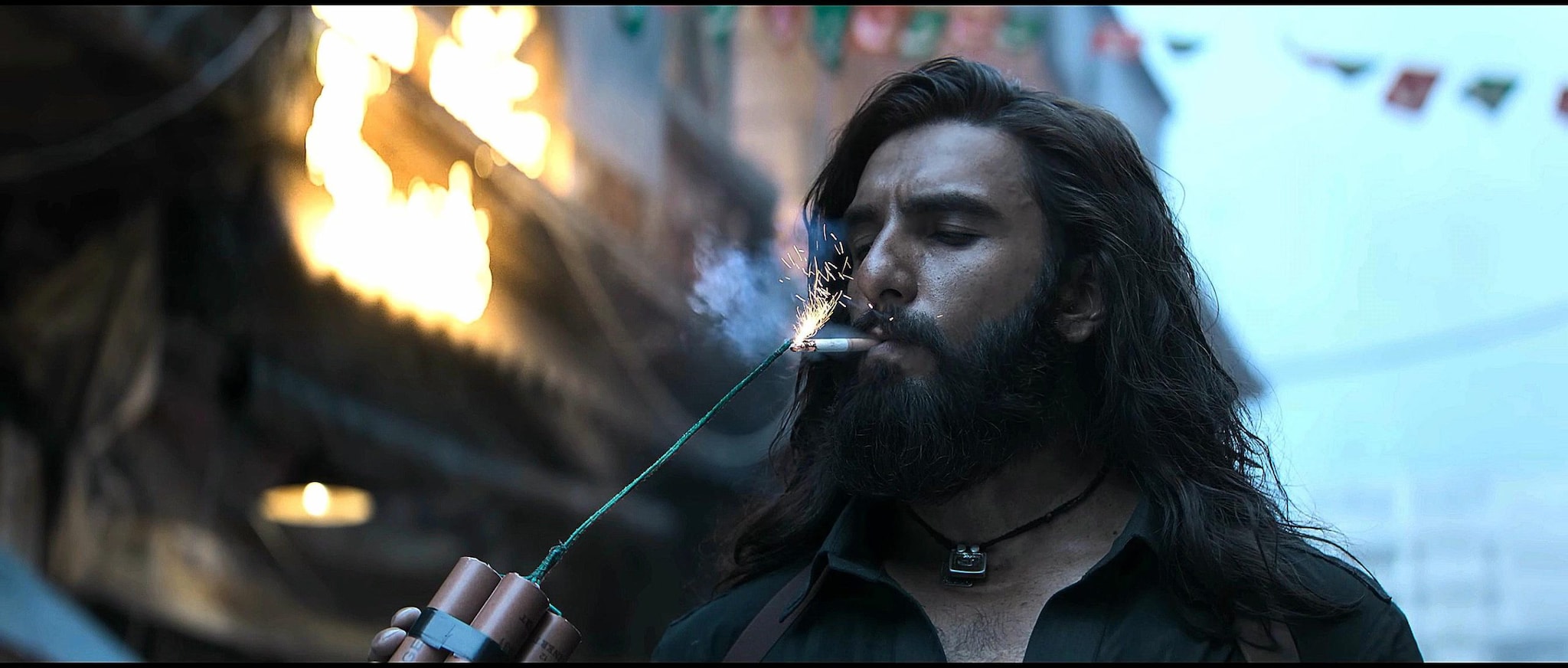
With Dhurandhar placing Lyari, a historic Baloch-dominated neighbourhood of Karachi, at the heart of its narrative, the spotlight has once again turned toward Balochistan. While the region is often discussed through political or geographical lenses, its deep and lasting contribution to Indian cinema is rarely acknowledged. (Image: IMDb)
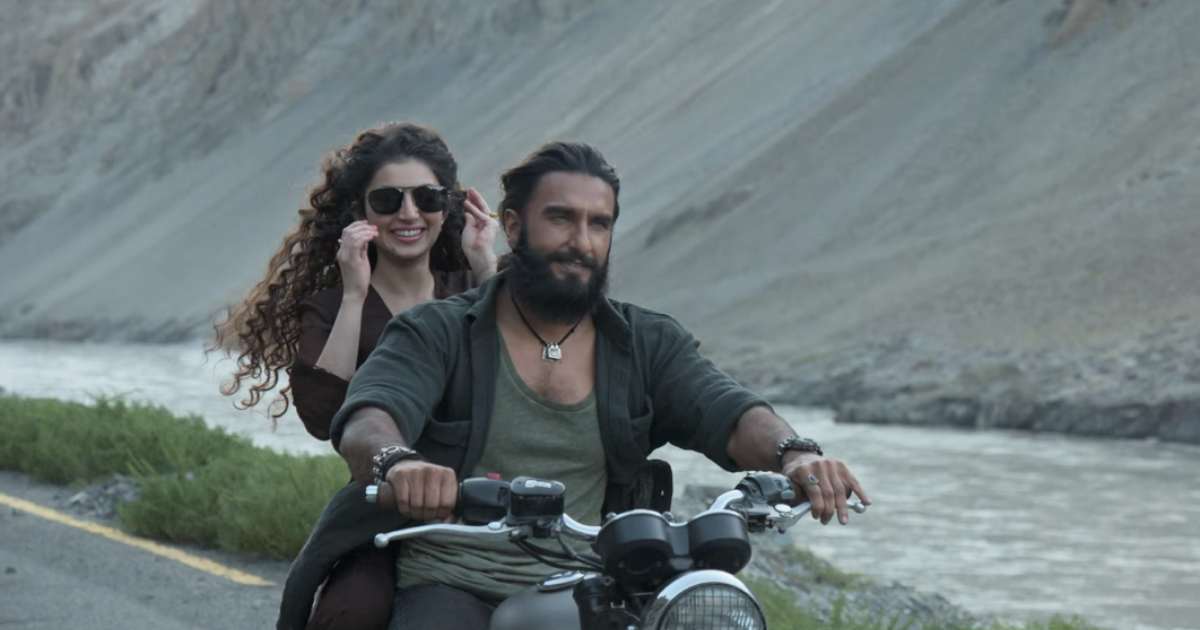
Long before films like Dhurandhar brought Baloch culture into visual focus, Balochistan had already shaped Bollywood through some of its most iconic actors, writers and filmmakers. From commanding villains and poetic heroes to legendary dialogue writers, Balochistan’s sons and daughters have helped define the emotional and linguistic fabric of Hindi cinema for decades. (Image: IMDb)
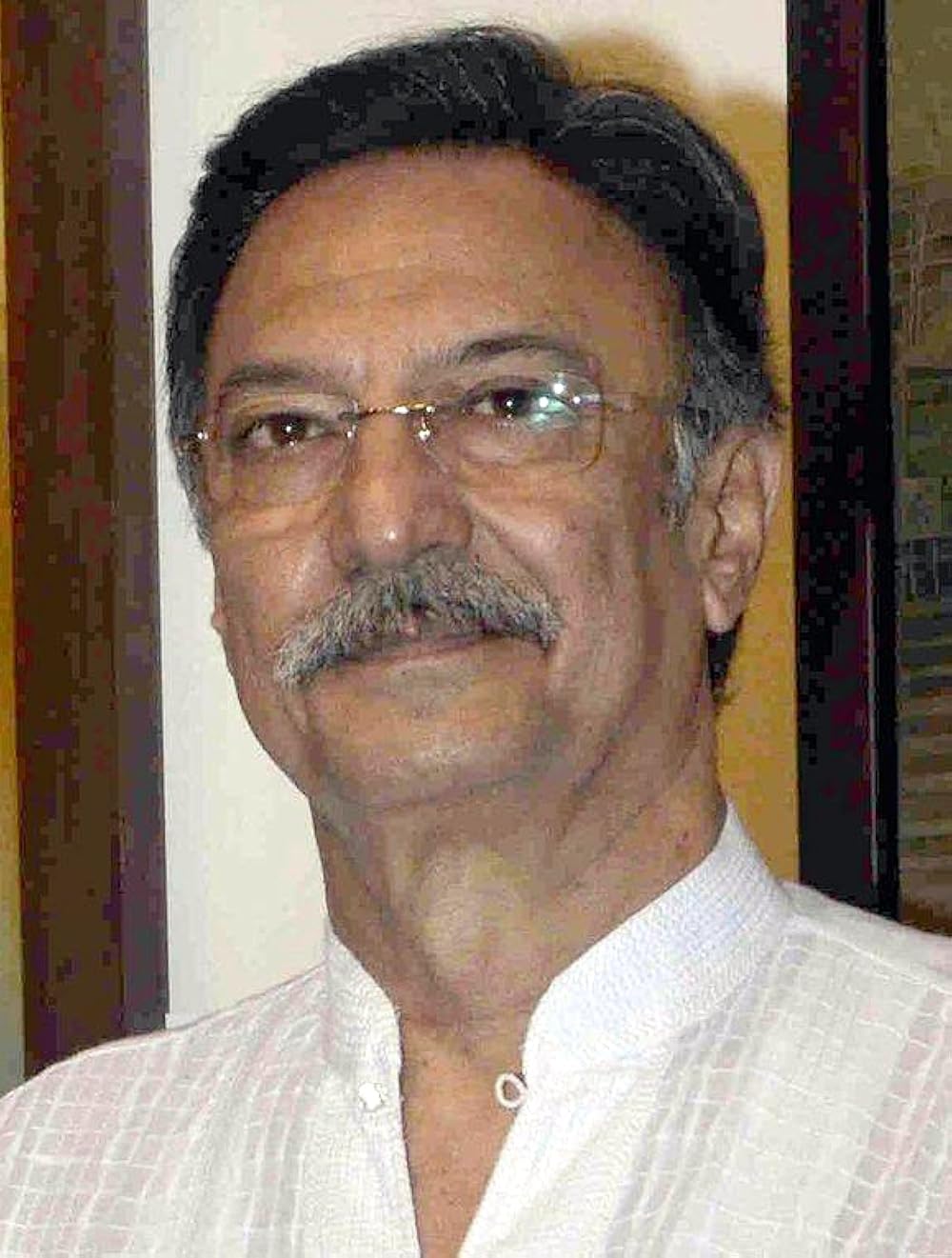
Suresh Oberoi: Born in Quetta in 1946, Suresh Oberoi’s journey to Bollywood was anything but conventional. After his family migrated to India, Oberoi began his career in radio and modelling before slowly making his way to the silver screen. Over the years, he became one of Bollywood’s most reliable performers, known for portraying police officers, principled fathers and moral anchors with quiet authority. Films like Mirch Masala, Tezaab and Gadar: Ek Prem Katha benefited from his grounded performances. Fluent in several languages, including Hindi, Urdu, Punjabi and Pashto, Oberoi embodied a cultural fluidity that mirrored his roots. He later entered politics, but his cinematic legacy continues through both his work and his son, actor Vivek Oberoi. (Image: IMDb)
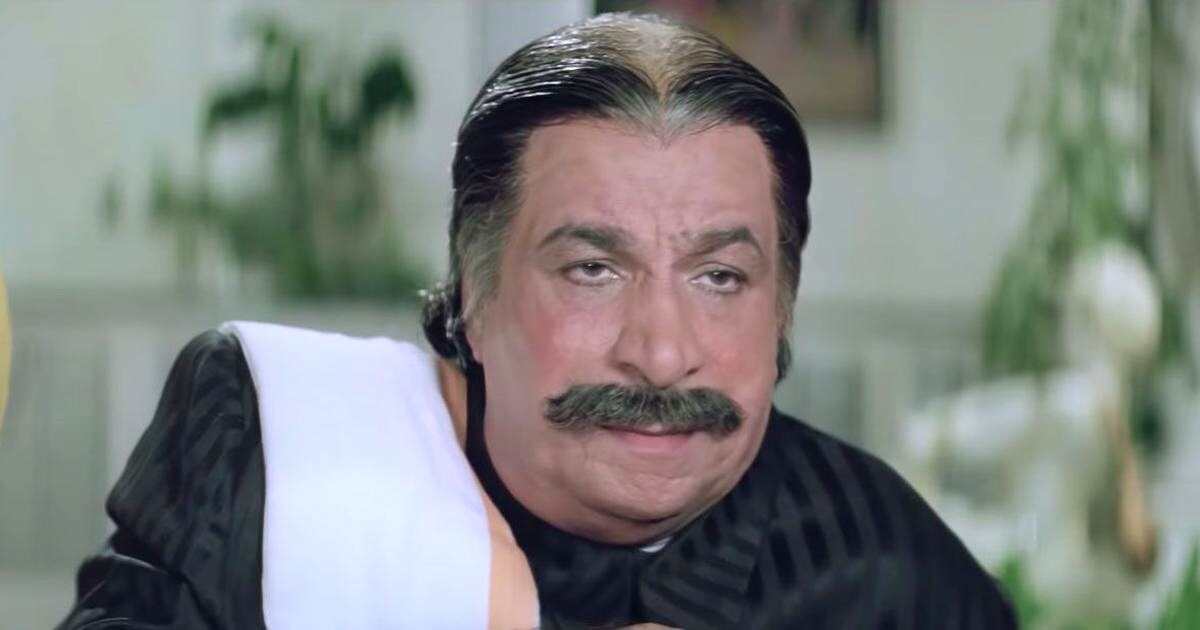
Kader Khan: Few individuals have influenced Bollywood’s language as profoundly as Kader Khan. Born into a Pashtun family with roots in Pishin, Balochistan, Khan initially trained as a civil engineering professor before fate led him to cinema. What followed was a legendary career spanning over 300 films as an actor and more than 250 films as a dialogue writer. From Amar Akbar Anthony to Agneepath and Hum, his words became cultural currency, quoted across generations. Awarded multiple Filmfare Awards and the Padma Shri posthumously, Kader Khan remains one of Bollywood’s most formidable creative forces. (Image: IMDb)
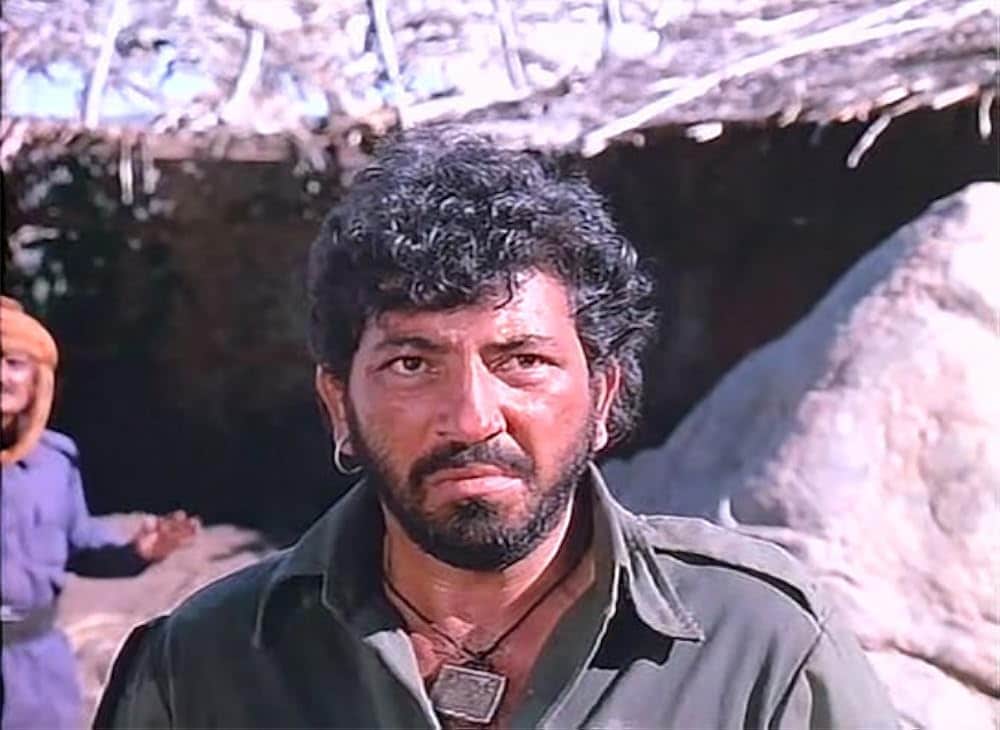
Amjad Khan: Born in Quetta in 1940, Amjad Khan etched his name into cinematic history with his unforgettable portrayal of Gabbar Singh in Sholay. While the role immortalised him, it was only one chapter in a career that spanned over 130 films. Amjad Khan brought complexity and charisma to villainy, redefining antagonists in Hindi cinema. His distinctive voice, dialogue delivery and screen presence ensured that even his negative characters left a lasting impact. Beyond acting, his later work as a director reflected his deep understanding of performance and storytelling. (Image: IMDb)
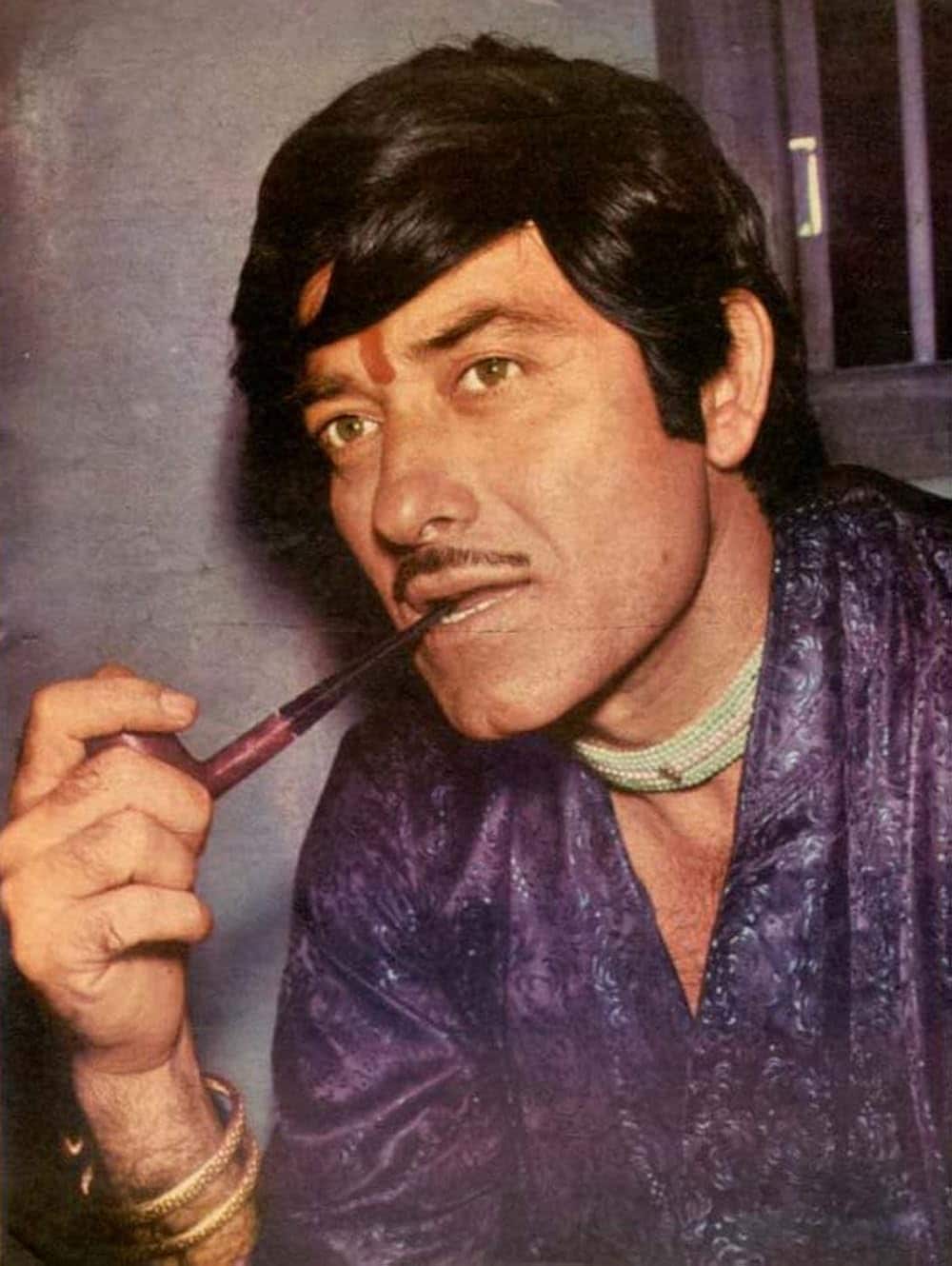
Raaj Kumar: Born Kulbhushan Pandit in Loralai in 1926, Raaj Kumar’s entry into cinema was as dramatic as his on-screen persona. A former police officer, he carried an innate authority that translated seamlessly to film. Over a career spanning more than 70 films, including classics like Mother India, Waqt, Pakeezah and Saudagar, Raaj Kumar developed a style marked by poetic dialogue delivery, deliberate pauses and a voice that commanded attention. His performances were never subtle, but they were always unforgettable. (Image: IMDb)
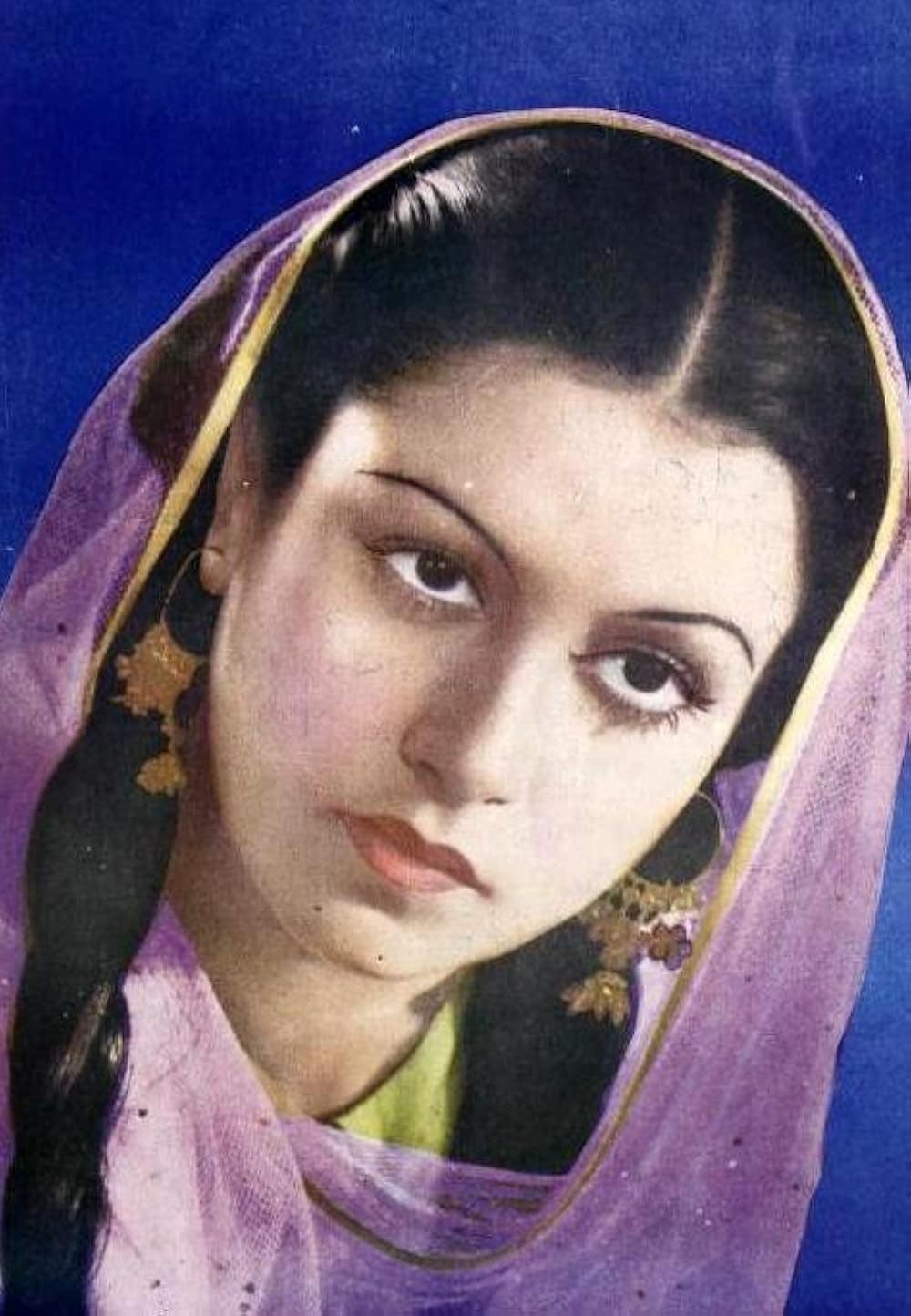
Veena Kumari (Tajour Sultana): Born in Quetta, Veena Kumari was among the luminous stars of Hindi and Urdu cinema during the 1940s and 1950s. Known for her elegance and expressive acting, she belonged to the golden era that laid the foundation for Indian cinema. At a time when female actors faced rigid expectations, Kumari stood out for her poise and screen presence. Her work reflected the cultural confluence of languages and traditions that defined Balochistan’s artistic legacy. (Image: IMDb)
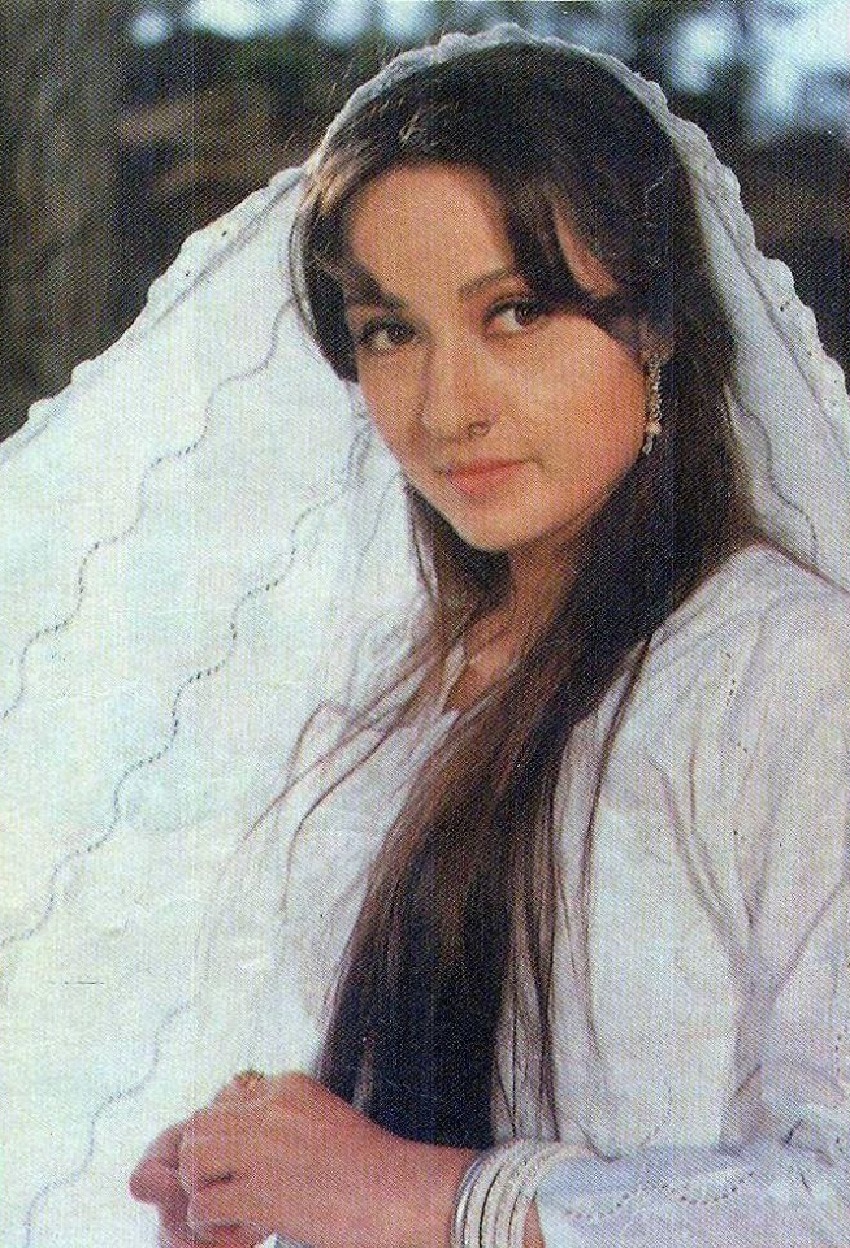
Zeba Bakhtiar: With roots in Balochistan, Zeba Bakhtiar effortlessly bridged Pakistani and Indian cinema. While she is a celebrated figure in Pakistani film and television, her role in Henna made her a familiar and admired face in India. As an actor, producer and director, Bakhtiar’s work transcended borders, reinforcing cinema’s power to connect shared histories and emotions. (Image: IMDb)


