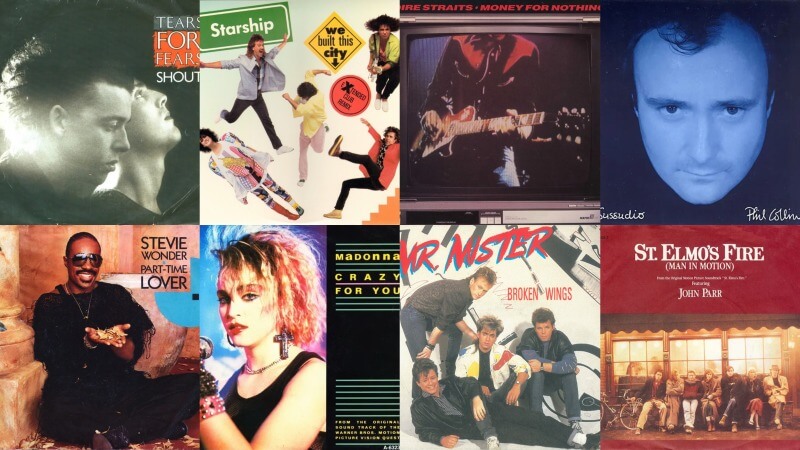
Every #1 hit song from 1985 ranked worst to best
In what’s now become a yearly tradition every December, I’m back ranking #1 hits from topical anniversary dates. This winter we’ll be doing 1975, 1985, 1995, 2005, and 2015, and I’ll be ranking every chart-topper from worst to best in each respective year. I did this last year and the year before that, and I’m thrilled to be back ranking the good, the bad, and the ugly that took over Billboard’s esteemed (now trivial?) Hot 100. Last week, we tackled 1975.
Today we’re looking at 1985, which featured 27 entries across 52 weeks. That’s seven more than we got in 1984! I think there are approximately 18 good to great songs here. The top 10 is a no-skips mix. But the songs that show up near the bottom of this list… I dislike so many of them so, so much. If I never hear the Miami Vice theme song again it’ll be too soon. But, hey! It’s the ‘80s! Welcome to the age of synth-pop, MTV, Bob Dylan doing that weird stare during the “We Are the World” recording, and way too much Phil Collins. Crack open a New Coke and get to scrolling. Here is every #1 hit song from 1985, ranked worst to best.
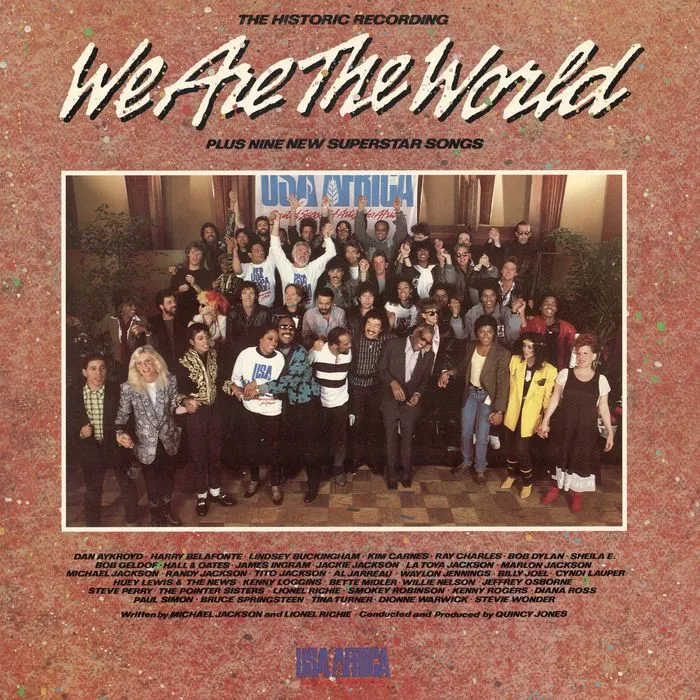 Thank Christ the whole “let’s get 20 musicians to sing together on this charity single” thing has been long out of vogue. “We Are the World” is actually a worse song than “Do They Know It’s Christmas?,” even though they’re both pretty bad. I can’t believe people willingly sat through six minutes (seven minutes if you’re hearing the album version) of the world’s biggest pop stars trying to figure out how to sing together in real time. I love Bruce Springsteen, Stevie Wonder, Bob Dylan, Billy Joel, Paul Simon, Ray Charles, Cyndi Lauper, Diana Ross, and Huey Lewis as much as the next person, but I don’t want to hear them on a song together, you know? But the stats don’t lie, I guess. “We Are the World,” in an effort to raise money for the famine in Ethiopia, became the fastest-selling pop single in US history and became the first single to ever achieve multi-platinum status. The great Greil Marcus said it best: “We Are the World” sounds like a Pepsi jingle, and the song “says less about Ethiopia than it does about Pepsi.”
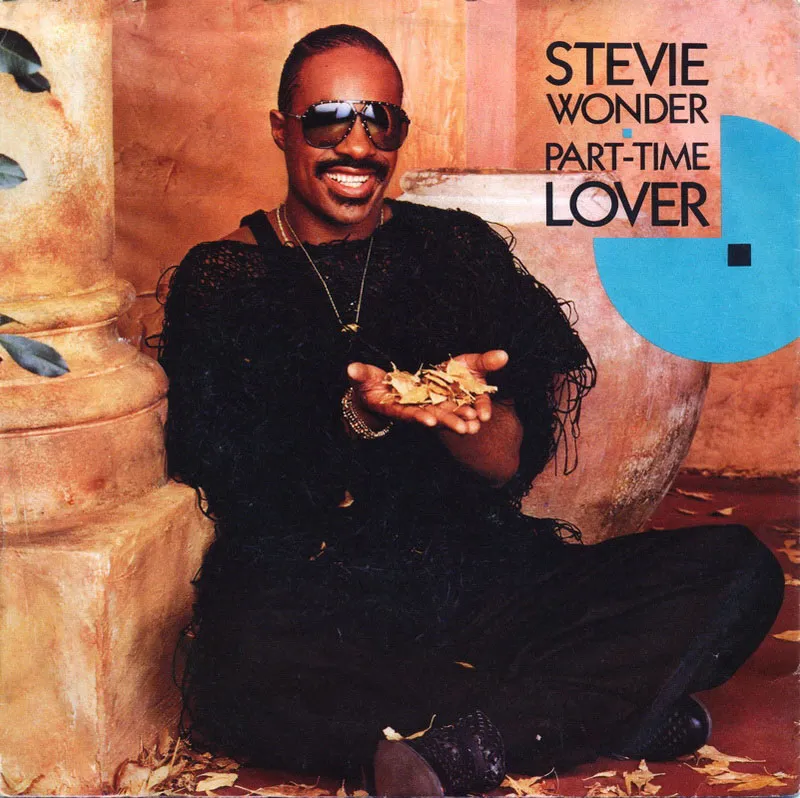
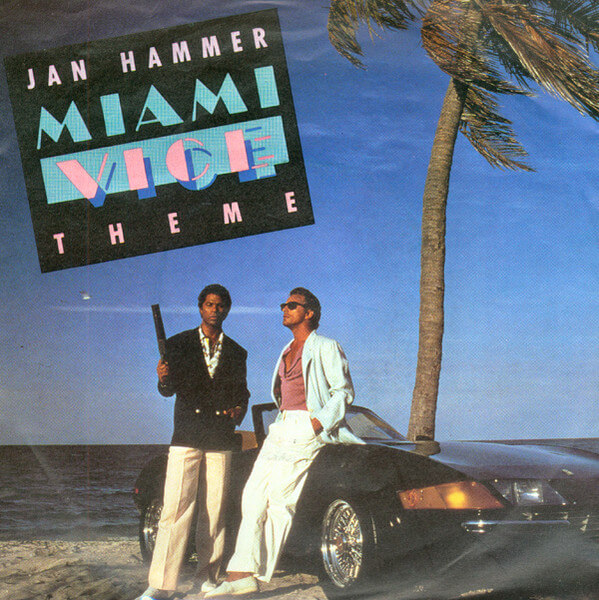 If you’ve been following along with these lists for literally any amount of time, you probably already know that I do not think very highly of instrumental songs in a chart-topping sense. Otherwise, I tend to like them a lot! But the one thing that’s worse than an instrumental song? An instrumental TV show theme song. All offense to the “Miami Vice Theme” here. Though I am not a big fan of the #2 song in the country from that week (“Part-Time Lover”), it would have been the more sensible choice. But in a perfect world, Tears for Fears’ “Head Over Heels” is the #1 song in America on November 9, 1985. Only in my dreams, I suppose.
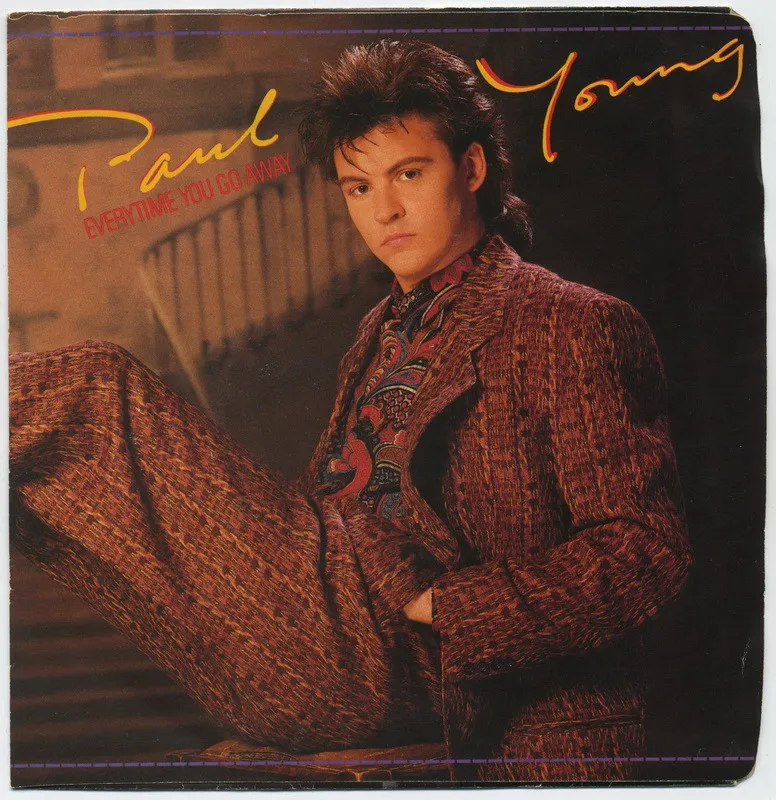 I’ve done over a dozen of these lists and this is just the second time I’ve been unable to finish a song (the first was Ray Stevens’ “The Streak”). Truly, Paul Young took a boring song and made it even more boring. The consolation prize? Hall & Oates’ version of “Everytime You Go Away” isn’t much better than Young’s. The latter is just this incredibly tepid pop song that goes nowhere. Sure, it’s a little bit sensual and a little bit soulful, but it’s not impressive. I’m still trying to figure out whose idea it was to add an electric sitar to the mix. The instrument does lend a dose of sophistication to the tune, but Young’s tattered, lackluster singing and Ian Kewley’s limp synthesizers don’t quite rise up to meet the sitar’s splendor.
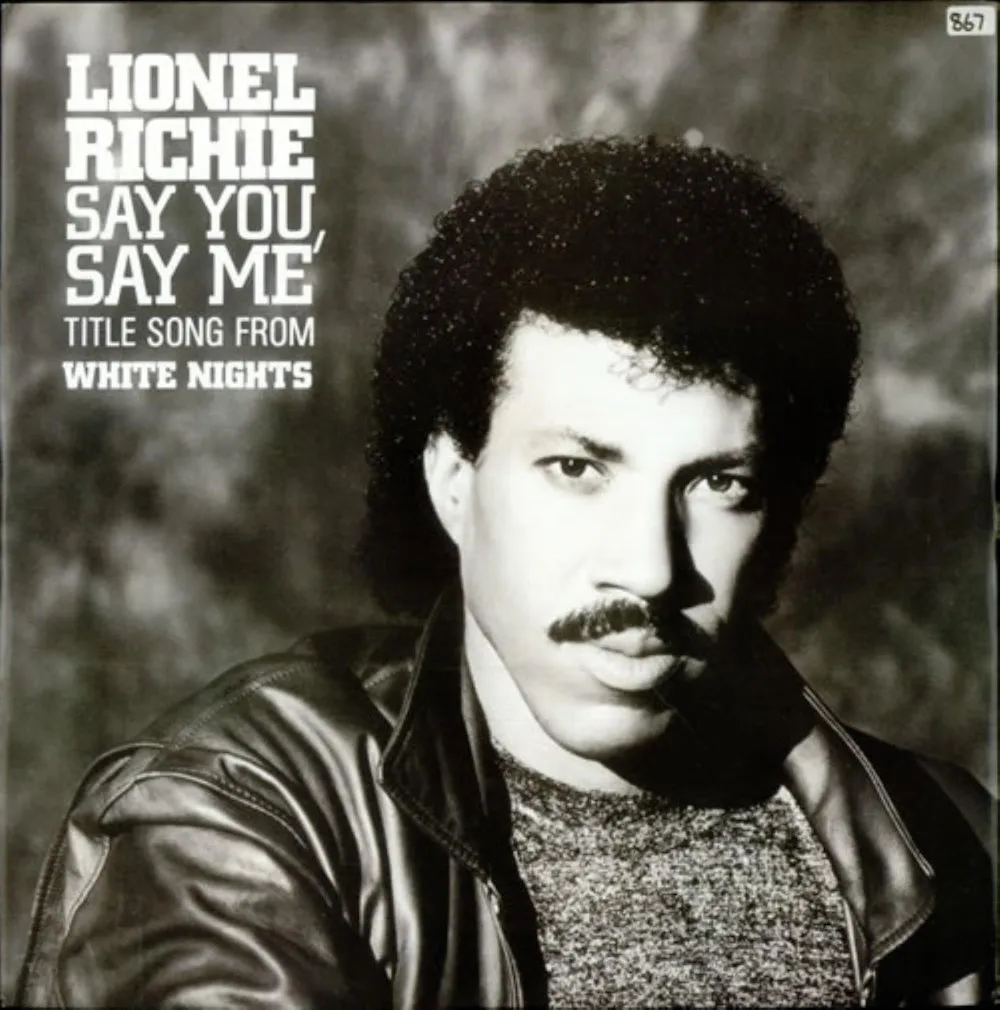 When I think of “Adult Contemporary,” no artist comes to mind quicker than Lionel Richie. For as much as I love the Commodores, I don’t like a single one of Richie’s solo songs. Maybe his style is just too gooey for my taste. I grew up with my ears glued to the local ‘80s station, so I’m well-acquainted with Richie. I don’t know if it’s overexposure that has burdened me with such a distaste for his ballads or something else. By 1985, he was riding the high of his breakout record Can’t Slow Down and got a gig penning an original tune for the White Nights film: “Say You, Say Me.” There are 11 credited musicians on the single, yet it lacks the dynamism I’d expect from such a padded personnel list. Even the mid-song key-change, which I find to be relatively exciting and inspired, can’t save the rest of the tune from being… plain? Toto guitarist Steve Lukather’s playing is pretty slick, though. It doesn’t clash with James Anthony Carmichael’s string arrangement. Musically speaking, this is one of Richie’s better efforts. He even got rewarded for it with an Oscar for Best Original Song.
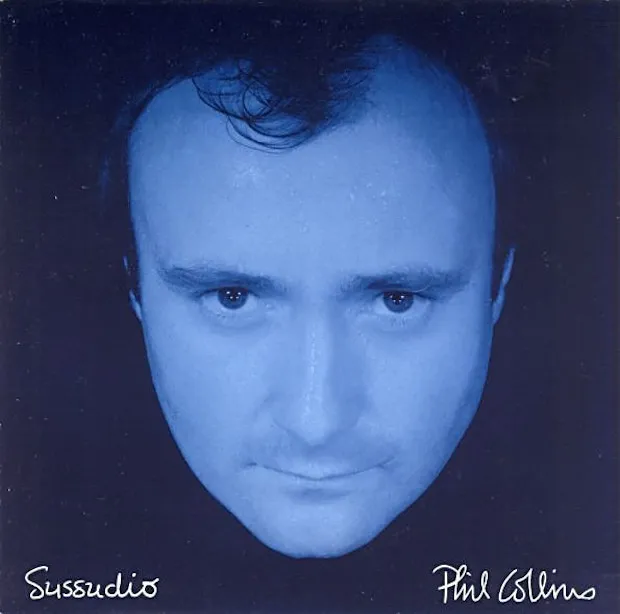
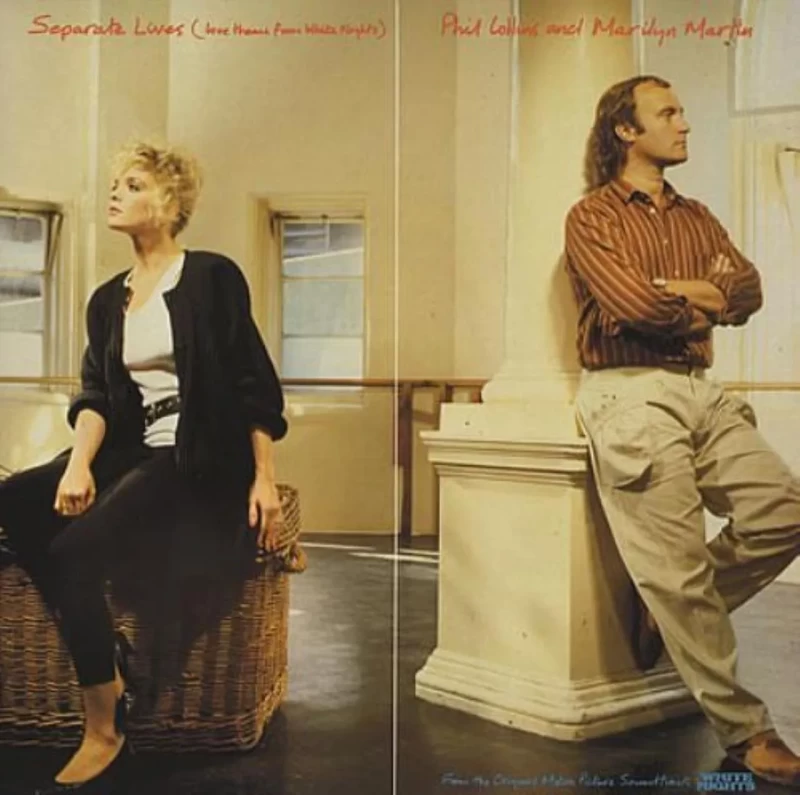 This isn’t the only song from the White Nights soundtrack on this list, but it’s certainly the worst. I just find myself unmoved by Phil Collins’ ballads. They’re too melodramatic and not at all compelling. He has a much better song in this ranking, one that I love, but “Separate Lives” is just a miss for me. Marilyn Martin’s singing is powerful enough, though she’s lacking real starpower. I think I struggle to connect with “Separate Lives” because it does virtually nothing to stand out from the other big-hearted ballads of the era, let alone 1985. That this song came out the same year as No Jacket Required is fascinating to me because none of Collins’ energy from that (pretty good) album can be felt here. Not one bit. Look, I’m not saying he phoned it in on “Separate Lives” but, hey, a paycheck’s a paycheck, brother.
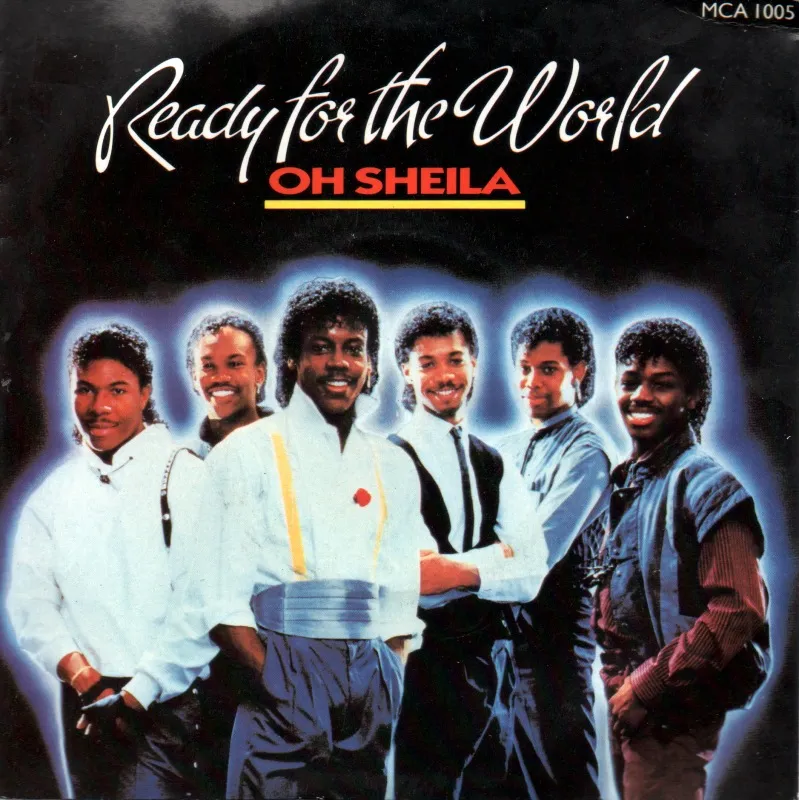 “Oh Sheila” is fun! It’s catchy boy-band pizazz—Ready For the World were a nifty counterpoint to the equally fun New Edition, and their combined efforts set the stage for the likes of Boyz II Men and Jodeci to shine a decade later—but the song’s juice comes from the misconceptions around it. A lot of people think Prince sings this song, because of Melvin Riley Jr.’s vocals, the band’s use of a detuned drum machine rimshot, and the perceived lyrical reference to the Purple One’s collaborator Shiela E. It’s a decent but standard dance track vaulted by mildly-interesting lore. I wish the synthesizers sounded cooler, because the band’s reliance on drum machines washes out a lot of the song’s charm.
 My favorite ‘80s trend is ‘70s rock bands selling out to corporatized pop radio… usually. Foreigner is a band with a back-catalogue I enjoy—“Hot Blooded,” “Dirty White Boy,” and “Urgent” all rule—but by the time they got around to making Agent Provocateur in 1984, they’d lost the sauce entirely. This is department store garbage, the kind of music that soundtracks romantic embarrassments, not triumphs. I’m actually offended that Lou Gramm put his voice at the front of this thing. The best part of the song doesn’t even feature him. “I Want to Know What Love Is” shines most when it’s about to end, as the band kicks up the dust with a full-blown choir singing behind them. Jennifer Holliday uses the final ten seconds to deliver an incredibly powerful backing vocal. I love my fair share of power ballads, don’t get me wrong, but “I Want to Know What Love Is” is not one of them.