
The Greatest Movie of Every Genre in the ’80s
The movies of the 1980s are fondly remembered as being as spectacular and vibrant as the decade itself. Ranging from the blockbuster bonanza of the golden era of action cinema to the enthusiasm and effervescence of its escapist adventures, the sonic boom of genres like sci-fi, fantasy, and teen drama, and even to the coarse crudeness of its classic comedies, the ’80s feature some of the most iconic and illustrious films in cinematic history.
Adding to that, the decade contains defining triumphs of every genre imaginable, with the crowning glories of action, sci-fi, fantasy, horror, comedy, thriller, animation, drama, Western, and epic cinema being the integral focuses of this list. Ranging from Oscar-winning masterpieces to enduring fan favorites, these movies epitomize the engrossing and often underappreciated splendor of cinema in the 1980s.
10
Action: ‘Die Hard’ (1988)

If ’80s cinema is known for one thing above all else, then it simply has to be the onslaught of propane-laced, muscle-clad mayhem of its action blockbusters. Interestingly, amid the carnage and chaos of the genre at its most excessive and exuberant, the decade’s most enduring genre classic is the more contained Christmas classic, Die Hard. Thriving off the back of note-perfect performances from Bruce Willis and Alan Rickman, as well as a razor-sharp and underrated screenplay, the 1988 gem offers 132 minutes of heart-pounding excitement and searing action fun.
It unfolds as NYPD cop John McClane (Willis) uses his wits to stand against the European terrorist group that has ambushed his estranged wife’s office Christmas party and rounded up the employees as hostages. Die Hard strikes a perfect balance between action carnage, simmering suspense, and sheer entertainment value to be one of the most enjoyable movies of all time. Such is its lasting cultural impact, it has come to define not only the action genre but ’80s cinema at large as well.
9
Animation: ‘The Little Mermaid’ (1989)
Not only one of the most famous animated movies, but arguably the single most important release in Disney’s history, The Little Mermaid is a ravishing fairy tale musical, loosely based on Hans Christian Andersen’s tale of the same name. It follows a mermaid princess whose wish to become human so she can marry a handsome prince conjures chaos and calamity in both her own life and in her underwater kingdom. The film thrives on Disney’s trademark qualities, marking a rousing return to form for the company and igniting the Disney Renaissance of the ’90s.
Its marriage of musical numbers, engaging and quirky characters, and the wonder of hand-drawn animation charmed audiences back in 1989, but it also made for an enduring hit of family adventure fun that remains a pop-culture staple over 35 years after its initial release. The defining title of ’80s animation, an essential pivoting point for Disney animation, and one of the most universally adored family flicks, The Little Mermaid is one of the most influential and enjoyable ’80s hits.
8
Comedy: ‘Airplane!’ (1980)

Often cited as being the funniest movie of all time, Airplane! is a masterpiece of hysterical comedy defined by its relentless appetite for gags that come in a variety of forms. A parody of the disaster films of the 1970s, the spectacular spoof unfolds as the crew and most of the passengers aboard a commercial flight come down with a case of food poisoning. The burden of landing the plane safely falls to Ted Striker (Robert Hays), a former fighter pilot with PTSD, with support from Dr. Rumack (Leslie Nielsen).
Utilizing everything from witticisms and wordplay to shocking sight gags, hilarious surrealism, and a razor-sharp understanding of the disaster genre (and how to deconstruct it), Airplane! delivers one punchline after another to present 88 minutes of comical chaos. Its style has been imitated many times, but never surpassed, ensuring it stands not only at the pinnacle of 80s comedy, but as the defining feat of parody cinema as well.
7
Drama: ‘Amadeus’ (1984)

A brilliant music drama that serves as the loosest of historical biopics, Amadeus thrives as an enchanting period piece fuelled by what is one of the greatest performances in cinematic history from F. Murray Abraham. He stars as Antonio Salieri, an Italian composer who is both spitefully envious of Wolfgang Amadeus Mozart’s (Tom Hulce) talent and completely adoring of it. Feeling as though the immature and obscene musician’s mastery of his craft can only be a divine gift, Salieri renounces his faith and vows to destroy Mozart as revenge against God for not making him as extraordinary a musician.
It is an enrapturing story of the petty villainy of the human condition, an odyssey of jealousy, pride, pain, and vindictiveness that masterfully captures the agony Salieri suffers from being good while knowing he will never be great. Complemented by a divine visual presentation rife with all the class and craft of costume drama, director Miloš Forman’s deft mastery of tone, and the inspired integration of Mozart’s music to serve as an essential storytelling device, Amadeus is comfortably in the discussion of the best movies of the 1980s of any genre, and is quite possible the greatest music drama of all time.
6
Epic: ‘Ran’ (1985)

It is easy to make a case that Akira Kurosawa is the single greatest filmmaker to have ever lived. His mastery of camera movements and shot compositions is his most defining gift, but his ability to blend Western and Japanese influences, compelling use of nature in narrative, and innovative editing techniques exemplify his brilliance all the same. All of these divine traits are on display in his awe-inspiring epic, Ran, which serves as an enormous adaptation of William Shakespeare’s King Lear as it sees a kingdom plunged into war and chaos after an aging ruler hands over his power to his three sons.
A cascade of vibrant colors, violent betrayals, and some of the most spectacularly realized battle sequences the medium has ever seen, Ran overwhelms with grandiosity while delving into themes of ambition, war, and the volatile nature of power. It sits comfortably among the likes of Seven Samurai, Ikiru, and Rashomon as one of the defining triumphs of Kurosawa’s illustrious career, and stands as one of the most ravishing and compelling epics of all time as well.
5
Fantasy: ‘My Neighbor Totoro’ (1988)

Touching on another animated classic, My Neighbor Totoro is another defining triumph for the medium, one that just so happens to use the scope of its visual possibilities to conjure one of the most entrancing and emotionally arresting fantasy films of all time. It follows the magical adventures of two young sisters as they move into an old country house in rural Japan with their father to be closer to their ill mother and befriend the woodland sprites in the nearby forest.
A picture of captivating beauty and powerful emotional purity, My Neighbor Totoro sees Hayao Miyazaki operating at his esteemed best to deliver a spellbinding story of the wonder of childhood, imbued with a sense of starry-eyed curiosity and innocent optimism. Its influence on animated cinema is undeniable, as is its mastery of fantasy storytelling. Today, it stands as one of the most iconic international movies audiences have seen, a triumph supported by the fact that the titular Totoro serves as the mascot of Studio Ghibli as a beacon of magic and imagination.
4
Horror: ‘The Shining’ (1980)

The commercialization of cinema is one of the biggest industry pivots of the 1980s, a restoration of power of production to the studios after filmmakers held sway in the aftermath of the New Hollywood Movement. Few genres felt this seismic shift as aggressively as horror, with the searing and savage evolution the genre experienced throughout the ’70s being usurped by lazy franchise entertainment and cheap slasher thrills. However, the decade still managed to produce some truly all-time chillers, with Stanley Kubrick’s legendary adaptation of Stephen King’s novel The Shining standing among titles like The Exorcist and Psycho as one of the greatest horror movies ever made.
The 146-minute masterpiece exudes a powerful, creeping dread to enhance its slow-burning story. The tale of the Torrance family serving as the caretakers of the cursed Overlook Hotel is brilliantly realized with meticulous set design, horrifically enrapturing tracking shots, and an ingenious bending of cinematic rules to conjure a sense of festering unease in the viewer’s minds. The Shining’s legacy is testament enough to its greatness, with its combination of atmospheric suspense, technical excellence, and acting brilliance culminating in one of the most famous and admired horror movies of all time.
3
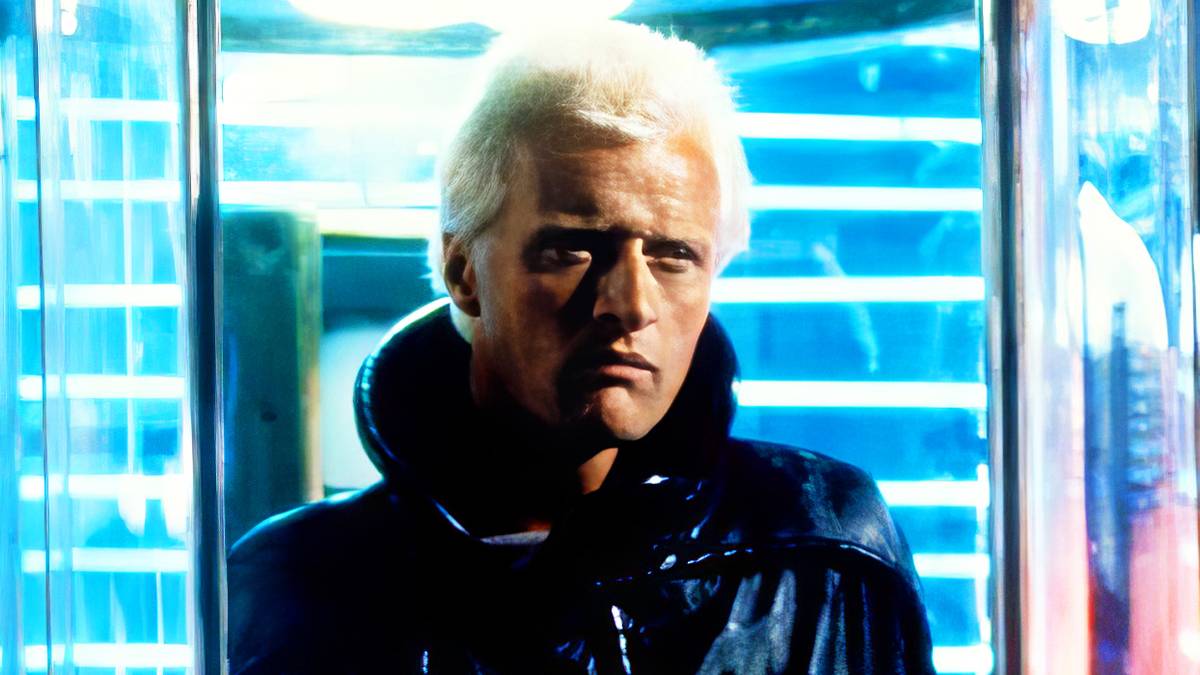
Sci-Fi: ‘Blade Runner’ (1982)

Science fiction marks one of the defining genres of 1980s entertainment, a genre that, in filmmaking, is perhaps best defined by adventurous classics like Back to the Future, E.T. the Extra-Terrestrial, and, of course, the latter parts of the original Star Wars trilogy. There is a peculiar irony, then, that in the midst of all the cultural embracement of sci-fi and the commercial success that came with it, the decade’s greatest science-fiction flick comes in the form of a dour, dystopian, noir-infused, cyberpunk slow-burn that divided critics and failed financially.
Set in a gloomy future where androids have been created to work off-planet assignments, Blade Runner follows Rick Deckard (Harrison Ford) as he is tasked with tracking down and eliminating a small group of replicants who have returned to Earth in search of longer lifespans. A breathtakingly beautiful visual masterpiece that is also rich with compelling, sci-fi-centric themes regarding what it means to be human, Blade Runner is one of the most influential movies the genre has ever seen. It stands tall among Ridley Scott’s finest accomplishments and is understandably lauded by many as being one of the greatest pictures the world has ever seen.
2
Thriller: ‘Blue Velvet’ (1986)

Combining a sense of neo-noir mystery with David Lynch’s trademark style of enigmatic surrealism and confounding intrigue, Blue Velvet is a uniquely haunting and challenging thriller that freaks out and fascinates in equal measure. Its winding story follows college student Jeffrey Beaumont (Kyle MacLachlan) as he discovers a severed ear in an abandoned field and, working with the local detective’s daughter, Sandy Williams (Laura Dern), sets out to solve the mystery behind it. His investigation steers him down a dark and seedy path of nightclub singers and organized crime, and towards the domain of the sexually depraved psychopath Frank Booth (Dennis Hopper).
In true Lynch fashion, the film resists easy answers and any sense of closure. Still, Blue Velvet enthralls with its narrative qualities as much as with its striking style, a feat defined by its thematic exploration of the darkness veiled behind the small-town American lifestyle, disillusionment and isolation, and, in incredibly distressing fashion, the complexity of sexuality and psychology. Imposing and impressive, Blue Velvet is one of the most shocking movies of all time, a quality that has enshrined it in the annals of thriller cinema as one of the boldest pictures the genre has been treated to.
1
Western: ‘The Man from Snowy River’ (1982)

While some genres underwent a sonic boom throughout the ’80s, others wilted quite abysmally, and Western cinema is perhaps the most poignant example. Nestled between the grit and the grime of the spaghetti Westerns of the ’70s and the revisionist resurgence of the ’90s, the 1980s are hardly able to offer anything that would be described as a genre classic, with a possible exception being the 1989 CBS miniseries Lonesome Dove. However, this doesn’t mean the decade was bereft of good cowboy flicks entirely, with The Man from Snowy River offering one of the better examples of the genre from down under.
Based on Banjo Patterson’s poem from 1890, the Australian film follows Jim Craig (Tom Burlinson) as he ventures off to find work in order to maintain his family farm after his father’s death. Finding work as a cowboy, Jim faces hostility from his new colleagues, but endeavors to win the love of the rancher’s daughter while making the money he needs. Granted, The Man from Snowy River floats on the genre’s more rousing and romanticized ideals, but its whimsy is inviting, its simplicity charming, and its death-defying finale—actually performed by Burlinson himself—is astonishing. In the end, it’s an agreeable dose of genre fare that flaunts all the sweeping visuals, stirring performances, and astute horsemanship that Western purists ought to appreciate.


