
Why Turner Classic Movies is Reframing Problematic Hollywood Favorites
“That’s really important to remind everyone that this series is not here to shame these movies or to tell anyone that they can’t love these movies,” Karger says. “And if there’s a frustration that I’ve had in this last month, it’s to see some of the reaction to this series be along the lines of ‘you’re part of cancel culture with this series.’ It could not be more the opposite of that. We’re not cancelling anything; we’re showing the films a hundred percent in their entirety, we’re just talking about them.”
Malone further emphasizes this is what can keep so many of these movies vital in an era when sequences like the aforementioned Rooney scenes in Breakfast at Tiffany’s are being deleted from a Sacramento film festival—effectively erased from the collective memory.
“I think everyone at TCM sees this as the way forward,” Malone says, “the way that we can continue to make sure these movies stay alive for younger generations. We can continue talking about them, discussing them, they can change over the years, our feelings can change about them; you can love a film and not be able to justify parts of it at the same time. What’s so important though is just to have the discussion, to talk about these problematic areas and face up to them rather than hiding them. To me, if you take out a film from existence or you just delete parts of a film, you’re in a way saying these problems never existed.”
Indeed, even the opinions of folks as steeped in this history as the hosts of Turner Classic Movies can evolve as the culture does. Ben Mankiewicz, for example, is TCM’s unofficial statesman but he surprised some viewers two weeks ago when he revealed during a Reframed discussion that he can no longer comfortably watch Gunga Din (1939), a rollicking adventure movie set in British India. Based on a Rudyard Kipling poem, that classic film’s influences can still be felt in more modern blockbusters like Indiana Jones and the Temple of Doom (1984). However, Gunga Din is also a movie that glorifies the British Empire at the expense of then-contemporary Indian independence movement, with the villain being a character who Mankiewicz noted is physically modeled after Mahatma Gandhi, who would’ve been seen as subversive by some white audiences in the ‘30s.
“I’ve never been a huge fan of that movie, even though Cary Grant is my favorite actor,” Karger says. “And I was even a little surprised when Ben and Brad Bird included it on [the TCM program] The Essentials last year. Not because it’s not a revered classic movie, but because it’s more than a little offensive. And it was fascinating to be part of that conversation with Ben, talking about the evolution of his feelings for Gunga Din, because he’s been with the network 15 years. I can’t imagine how many times he’s talked about that movie, and it’s just showing you that culture and history are living, breathing things.”
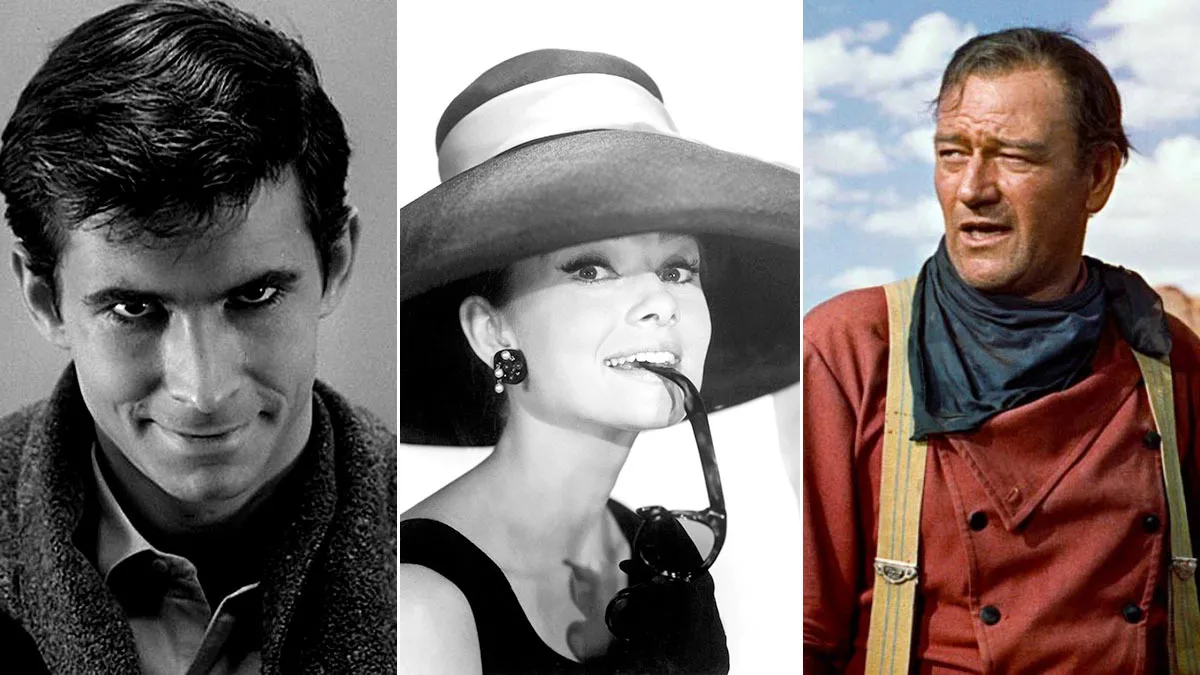
Opinions change. Malone had a similar experience when she joined Mankiewicz and Muller to discuss John Ford’s seminal Western, The Searchers (1956), a movie where the director began reckoning with his depiction of Native Americans on screen. The film is a touchstone to this day for filmmakers like Steven Spielberg, Martin Scorsese, and George Lucas. Mankiewicz and Muller note that Ford is grappling with the racism of his earlier films via John Wayne’s lead character, an unrepentant bigot who becomes both the movie’s protagonist and antagonist. However, the film still bathes Wayne’s character in heroic imagery, and still relies on Native American stereotypes.


